You probably know about going to a private hospital versus a public or government hospital in Singapore. But did you know that you can be considered a private patient when going for treatments in a public hospital?
1. What Does “Private Status” Actually Mean?
In Singapore’s public hospitals, such as Singapore General Hospital (SGH), National University Hospital (NUH), or Changi General Hospital (CGH), patients are divided into two main billing categories: Subsidised & Private.
Being a Private Patient simply means you are opting out of government healthcare subsidies. Even though you are walking through the doors of a government-funded institution, you are choosing to pay the full, unsubsidised market rate for your consultations, treatments, and ward stays.
2. The Perks: So Why Be A Private Patient At A Public Hospital?
You might be wondering, “If I’m paying out of pocket, why wouldn’t I just go to a fully private hospital like Mount E or Gleneagles?” It is a great question.
Many families specifically choose the private route within a public hospital because it offers a unique blend of benefits:
- You Can Pick Your Doctor: This is the biggest draw. As a subsidised patient, you are assigned a medical team, but you don’t get to choose the specific specialist. You also might not see the same doctor at each appointment. (Source: SGH)
As a private patient, you can request to be seen by that renowned Senior Consultant or Head of Department you’ve been reading about. Or you can choose to see a Senior Consultant rather than a less experienced doctor. You will be able to consult the same doctor every visit. - Access to National Specialty Centres: Public healthcare hubs are home to some of the most advanced, specialized, and multi-disciplinary medical tech in the country. Think of the National Heart Centre Singapore or National Cancer Centre Singapore which are considered public institutions. As a patient in a public hospital, you get direct access to this world-class infrastructure.
- Faster Appointments: While public hospitals are incredibly busy, the “private” queues are managed separately. You will generally secure outpatient clinic appointments and surgical dates much faster than you would in the subsidised queue.
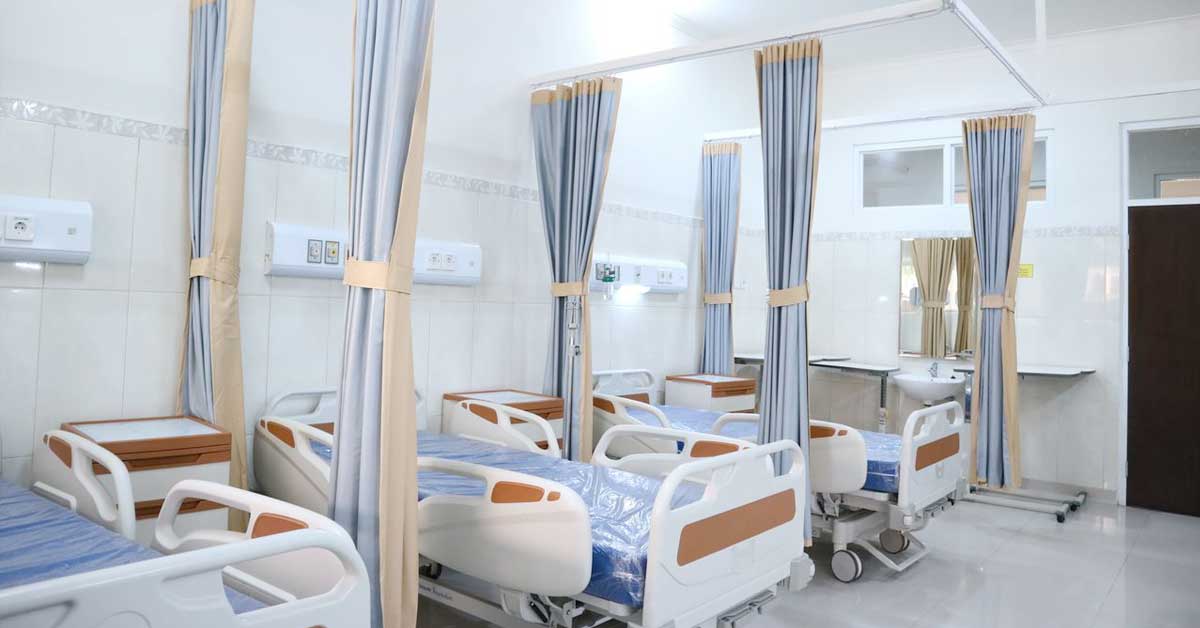
- Better Comfort: If you need to be admitted, private status gives you access to Class A or Class B1 wards. This means air-conditioning, your choice of meals, television, and the privacy of a single or 4-bedded room.
3. The Catch: Understanding the Financial Reality
While there are benefits to being a private patient in a public hospitals, it is going to cost you.
- No Safety Net Subsidies: You will pay 100% of the hospital’s private rates for everything. From the surgeon’s fee to the paracetamol they hand you at discharge.
- The Costs Are Comparable: While typically cheaper than a fully private hospital, a Class A ward and private surgical fees in a public hospital are still very high. It is not a “budget” version of private healthcare.
4. How Do People Afford The Cost Of Being A Private Patient?
This is where your insurance steps into the spotlight. Most Singaporeans who choose to be private patients in public hospitals do so because they have an Integrated Shield Plan (IP) with a rider.
If your IP covers Class A wards in public hospitals (or private hospitals), your insurance provider will absorb the bulk of these hefty bills, leaving you to manage only the co-payment and deductibles.
5. When Do You Get Private Status?
Getting classified as a private patient is actually the default unless you actively take steps to get subsidised! You will be classified as a private patient in the following situations:
- Walk-in: You skip the polyclinic and book an appointment with a public hospital directly.
- Self-referral: You call the public hospital to book an appointment with a specific doctor.
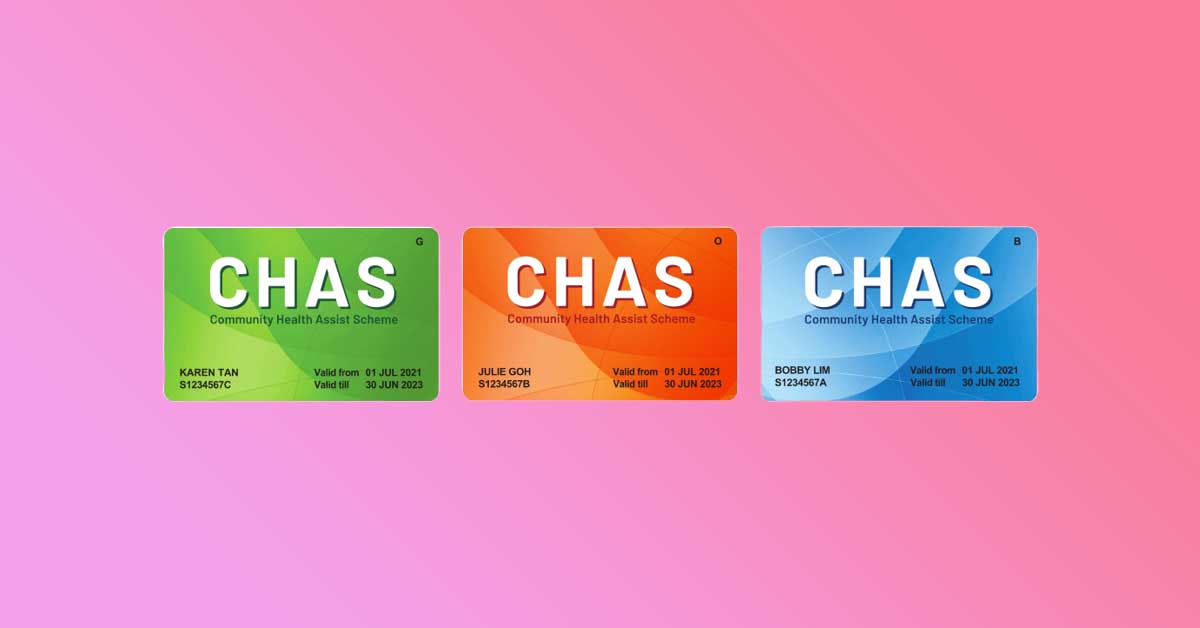
- Private referral: You get a referral letter from a private General Practitioner (GP) or a private specialist, rather than going through a Polyclinic or CHAS clinic.
- Ask For Upgrade: You are admitted through the A&E and explicitly request to be warded in a Class A or B1 room.
You will also be regarded a private patient you are:
- Referred by any public doctor to a specific doctor
- Referred by a private doctor or private hospital
- Referred by a public hospital where you are a private patient
- Discharged from class A or B1 wards
- A foreign resident or non-resident of Singapore
Navigating the healthcare system can feel overwhelming, but understanding your options can help you make informed decisions and access the care you need.
Being a private patient in a public hospital is a fantastic way to access top-tier national medical resources while keeping the comfort and choice that private healthcare offers!