If you started your healthcare journey as a private patient in a public hospital but now want to tap into government subsidies to ease the financial load, you can actually downgrade to a subsidised status.
However, the downgrade process isn’t automatic and it requires a few extra steps.
Here is our guide to navigating the switch.
Scenario 1: Downgrading While Admitted (Inpatient)
If you are currently recovering in a Class A or B1 private ward and the interim bills are giving you sticker shock, you can request a transfer to a B2 or C class subsidised ward. Here is what you need to do:
- Chat with a Medical Social Worker: Because subsidised wards are heavily funded by the government, you (and your family) will need to undergo a financial assessment, known as Means Testing. A Medical Social Worker will sit down with you and look at your household income to determine the exact level of subsidy you qualify for.
- Patience for a Bed: Subsidised wards are shared spaces and are often in very high demand. Your downgrade is strictly subject to bed availability, so you might have to wait a little bit before making the physical move.
- Lower Ward Billing: Upon successful transfer to a lower ward type, future hospital charges will be charged according to the lower ward rate, effective from the date of transfer.
Scenario 2: Downgrading Your Clinic Visits (Outpatient)
If you’ve been seeing a specialist as a private patient but want to switch to subsidised rates for your long-term follow-ups, the process looks a little different.
Route 1: The “Polyclinic Reset”
- Ask your current public hospital specialist for an open memo or a summary of your medical condition. Get discharged so that you will be considered a first visit patient.
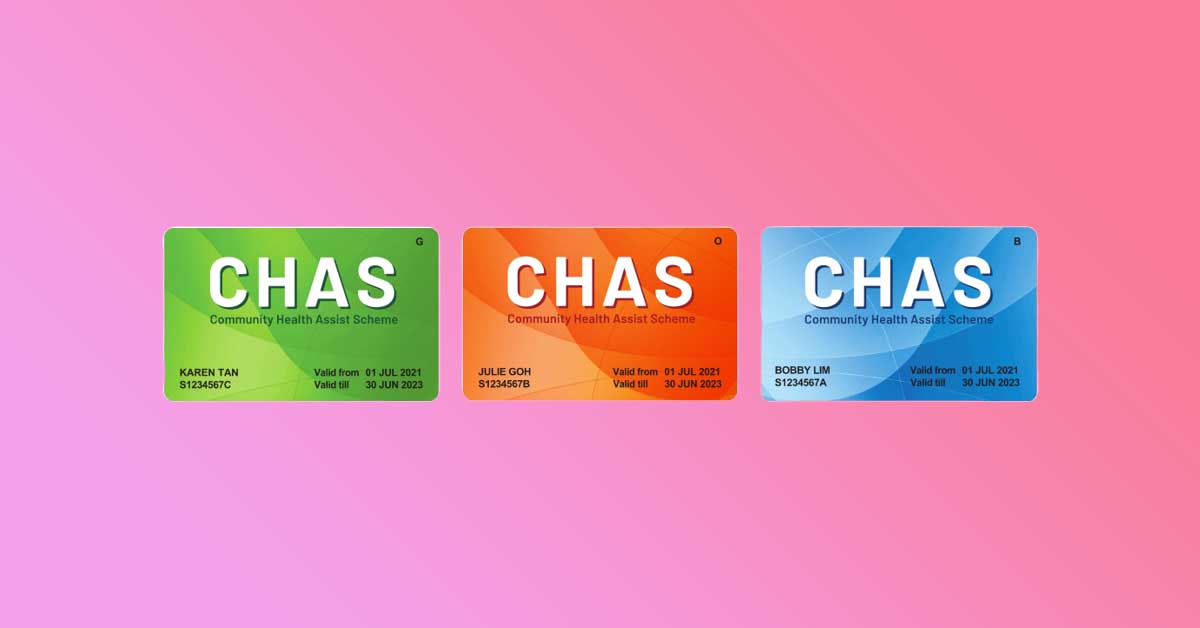
- Take that letter to a Polyclinic or a CHAS GP clinic.
- The doctor there will assess your condition and write a fresh referral back to the public hospital. Make sure that the referral does not specify a specialist by name. Or better yet, tell the doctor that you are looking for subsidised rates.
- Because this new referral comes from a subsidised route without a specific doctor’s name attached to it, you can re-enter the hospital system as a fully subsidised patient.
Route 2: The Direct Method
You can speak directly to the clinic’s staff and ask to see a Medical Social Worker. They can assess your situation on a case-by-case basis via Means Testing or financial assessment to calculate the level of subsidies you are eligible for.
Through this route, you can downgrade to subsidised care without having to leave the hospital system to get a new referral.
Some Things To Keep In Mind
Making the transition from being a private patient to subsidised care in a public hospital is a smart financial move, but it does mean a change in how your day-to-day care is delivered:
- Saying Goodbye to Your Specific Doctor: Subsidised care is team-based. You will be looked after by a highly capable team led by a senior consultant, but you may not see the exact same doctor at every visit.
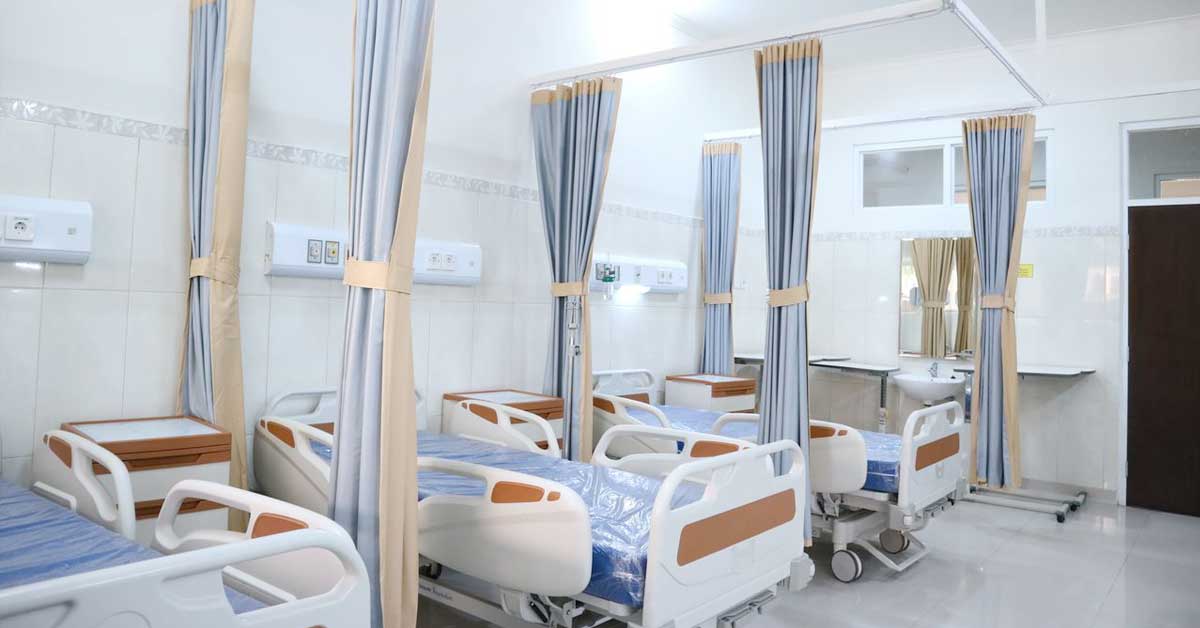
- Cozy Ward Comforts: B2 and C wards are typically naturally ventilated (no air-conditioning) and accommodate more patients per room (usually 6 to 9 beds) compared to the privacy of A or B1 wards.
Don’t Be Afraid to Ask for Help
Healthcare billing in Singapore can be very complex. If you are ever feeling overwhelmed by your hospital bill, your best first step is always to ask to speak with a Medical Social Worker. Their entire job is to help you navigate these exact transitions so you can focus on what actually matters: resting and getting better!