
If you or a loved one are currently resting in a private hospital and thinking about transferring to a public hospital here in Singapore, you are absolutely not alone. It is a very common transition and very manageable.
* Public hospitals are also known as restructured hospitals in Singapore.
1. Why Do Families Make The Switch?
People usually decide to move from private to public care for a couple of very good reasons:
- Lower Medical Expenses: Private healthcare is fast, but the costs can add up quickly, especially if you need a longer stay or complex care. Public hospitals offer fantastic government subsidies for eligible Singapore Citizens and Permanent Residents (PRs), which can really ease the financial pressure.
- World-Class Specialised Care: Sometimes, public hospitals are simply the best place to be. For incredibly complex medical situations, like tricky pregnancies or severe emergencies, public hospitals like KK Women’s and Children’s Hospital (KKH) or Singapore General Hospital (SGH) have specialized multidisciplinary teams and advanced equipment ready to help.
2. Private Patient Vs Subsidised Patient
Here is a super important detail to keep in mind: moving to a public hospital doesn’t automatically mean your bills will be subsidised. The system classifies patients into two main categories:
- Private Patient Status: If you transfer directly from a private hospital bed, or bring a referral letter straight from a private specialist to a public one, you will enter the public system as a Private Patient. You won’t get government subsidies, but you do get the perk of choosing your specific doctor.
Find out more about what a private patient is and why some patients choose to go private in a public hospital. - Subsidised Patient Status: To get government subsidies, you need to take a specific referral route or go through a financial assessment, and you will be cared for by a dedicated team of doctors rather than picking just one. (Source: SGH)
3. Step-By-Step: How To Make The Move From A Private Hospital To A Public Hospital
The way you transfer depends on whether you are currently warded in a private hospital or just looking for outpatient check-ups.
Scenario A: You Are Currently In A Hospital Bed
If you are resting in a private ward and need to transfer to a public hospital bed to help manage costs:
- Chat with Your Current Team: Let your private doctor and the hospital’s admin team know you’d like to transfer. They are used to this and will help coordinate with the public hospital.
- The Financial Chat (Means Testing): If you are hoping to move to a subsidised ward (like a B2 or C class ward), a friendly Medical Social Worker or financial counselor will sit down with you. They will look at your household income to figure out your subsidy level.
- Wait for a Bed: Moving to a subsidised ward depends on whether the public hospital has an empty bed. Just keep in mind that you’ll continue to be billed at private rates until you actually make the physical move.
Scenario B: Subsidised Outpatient Treatment
If you are already discharged but need ongoing care and want subsidised rates at a public hospital:
- Ask your private doctor for a nice, detailed discharge summary or/and a referral memo.
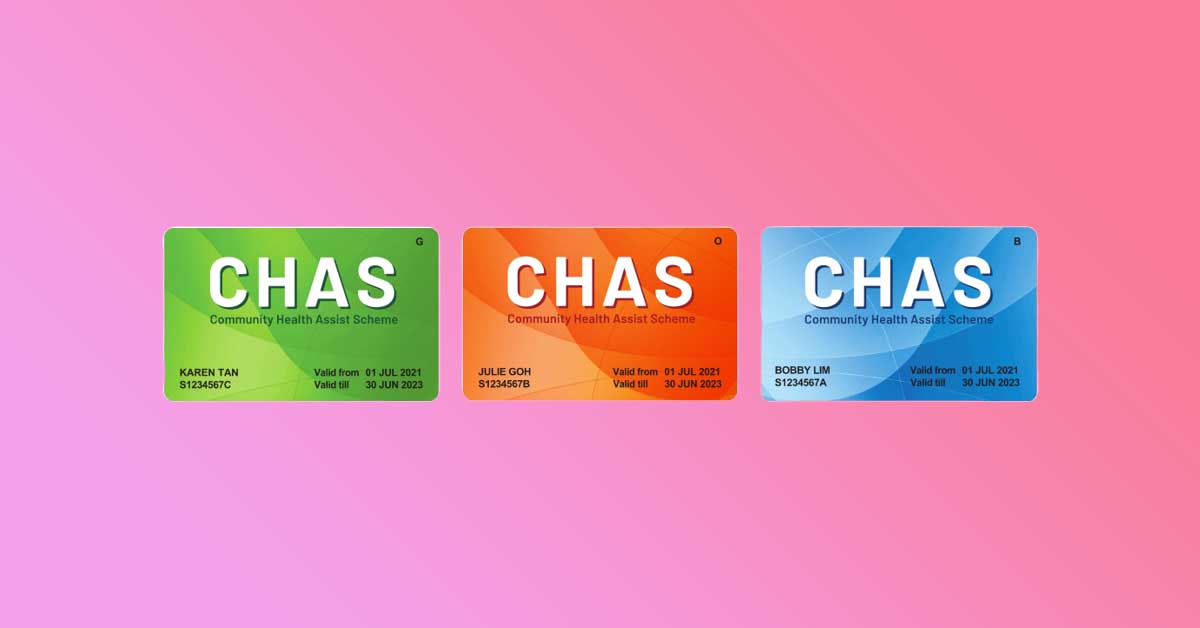
- Take that memo down to your nearest Polyclinic or a CHAS GP clinic (Source: Sengkang General Hospital).
- The doctor there will review your health needs and write a fresh referral to the public hospital. This is how you enter the public system as a Subsidised Patient.
Scenario C: Non-subsidised Outpatient Treatment
If you want to move your follow-up care to a public hospital, don’t mind paying unsubsidised rates, and really want to pick your own specialist:
- Ask your private doctor to write a referral letter addressed directly to the specific doctor you want to see at the public hospital. Some private doctors will also personally suggest particular doctors for you to see.
- Simply call the public hospital’s appointment hotline, tell them you have a private referral, and book your slot.
4. Another Quicker But Still Affordable Route
If your symptoms are impacting your daily life, seeing a private specialist for a quick diagnosis is an effective way to bypass long initial wait times at public hospitals.
Once a diagnosis has been established, you can now seek treatment as a subsidised patient at a public hospital. And if your condition is serious, you will very likely be able to receive treatment much faster as compared to going directly to a public hospital first.
So if your goal is to utilize subsidies for the actual treatment while still getting answers quickly:
- Obtain your diagnosis, scans, and test results from the private specialist.
- Take those medical reports to a Polyclinic or a CHAS-accredited GP.
- Request the polyclinic or GP to write the official referral to the public hospital based on those reports. This formal pathway registers you as a subsidized patient in the public system.
5. What To Expect After The Transfer
While the public healthcare system in Singapore is world-class, the day-to-day experience is vastly different from private care. Here is what you can expect as a subsidised patient:
- Longer Wait Times: Whether you are waiting for a bed to free up, an MRI scan, or your queue number at the outpatient clinic, things move at a different pace. Public hospitals handle high patient volumes.
- Team-Based Care: As a subsidised patient, you will be seen by a rotating team of doctors led by a senior consultant, rather than the exact same doctor at every visit. (Source: NUH)
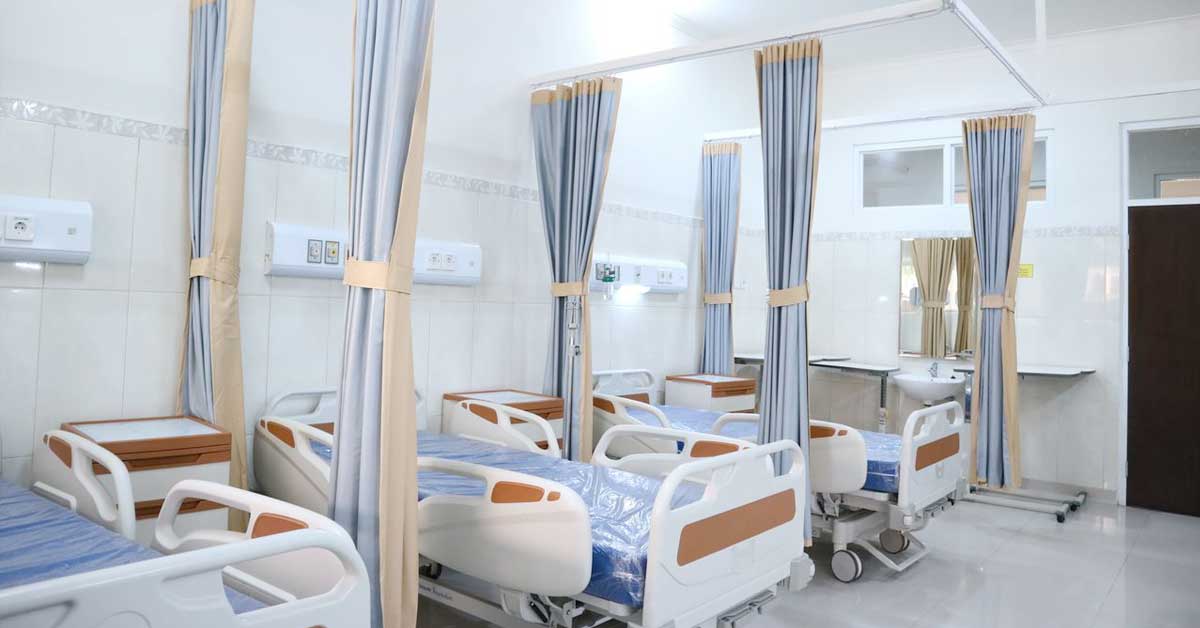
- Different Amenities: Subsidised wards (B2 and C) might not have air-conditioning and are shared with more patients. They offer less privacy and fewer meal options compared to private rooms.
Making the switch requires a bit of admin work and patience, but it is a highly viable path to ensure you receive excellent medical care without compromising your finances.
The hospital’s Medical Social Workers are there to help, so don’t hesitate to ask them for financial counseling if you are feeling overwhelmed.