If you or a loved one are facing an upcoming hospital admission in Singapore, you are probably looking at the different ward classes and trying to make sense of the costs. A common question that pops up is: “Wait, is the B1 ward actually subsidised?”
Because Class A is strictly private and Classes B2 and C are heavily subsidised, Class B1 sits in a confusing middle ground.
The short answer? Yes, Class B1 wards are subsidised, but there’s a catch.
Here is a friendly breakdown of how B1 ward subsidies work, what you get, and what you should watch out for before making your choice.
Yes, B1 Wards Are Subsidised But Only At 20%
If you are a Singapore Citizen, you automatically receive a 20% government subsidy on your hospitalisation bill in a Class B1 ward.
While that is definitely helpful, it is a much smaller discount compared to the heavily subsidised Class B2 (50% to 65% subsidy) and Class C (65% to 80% subsidy) wards.
If you would like to downgrade your ward to get more subsidies, read our article on downgrading from private to subsidised patient.
Permanent Residents also receive a subsidy in B1, though it is slightly lower than the citizen rate.
Source: Ministry Of Health
What Is A B1 Ward Exactly?
For many patients, a B1 ward offers a great balance between comfort and cost without having to pay the premium prices of a single-bed Class A room.
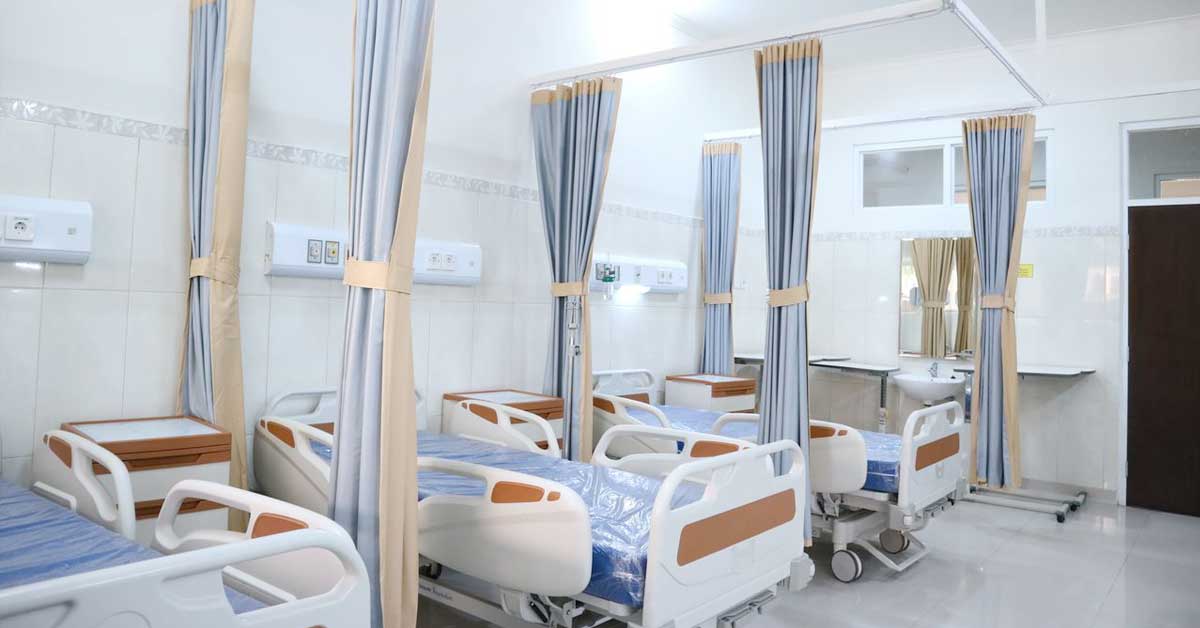
In a public hospital’s B1 ward, you can typically expect:
- More privacy: Up to 4 (sometimes 5) beds in a room.
- Comfort: Air-conditioning and a television.
- Convenience: An attached bathroom and toilet in the room.
- Choices: A selection of meals.
- Doctor selection: You generally have the option to choose your attending specialist, unlike in B2 or C wards where a medical team is assigned to you.
Source: SGH
The “Hidden” Costs Of B1 Wards
While the 20% subsidy sounds great, there are a few important financial nuances you need to be aware of before booking a B1 bed. Hospitals technically classify B1 patients as “private” patients for administrative and billing purposes. Here is how that affects your wallet:
- You still have to pay GST. For patients in Class B2 and Class C wards, the government completely absorbs the Goods and Services Tax (GST). However, if you stay in a Class B1 (or Class A) ward, you will be billed the standard GST on top of your hospital charges.
- Post-discharge checkups are NOT subsidised. This is the biggest trap that catches patients off guard! If you stay in a B1 ward, your subsequent Specialist Outpatient Clinic (SOC) follow-up visits will be charged at private rates. You will not receive subsidies for these follow-up consultations, which can add up significantly if you require long-term monitoring.
- Higher upfront deposit. Because B1 is considered a higher-tier ward, the initial cash deposit required upon admission will be noticeably higher than what you would pay for a B2 or C ward.
Paying For Your B1 Ward Stay
Can you use your CPF MediSave and MediShield Life? Absolutely!
However, keep in mind that basic MediShield Life payouts are pegged to the estimated costs of subsidised B2 and C wards. If you stay in a B1 ward relying only on basic MediShield Life, your out-of-pocket cash payment will be quite high.
If you have a private Integrated Shield Plan (IP) that specifically covers B1 wards (or higher), your insurer will cover the bulk of the bill, leaving you to just handle your deductible and co-insurance.
Source: NUHS
So Is B1 Ward Right For You?
If you have an Integrated Shield Plan that covers B1 wards, or if you don’t mind paying a bit more out-of-pocket for air-conditioning and the ability to choose your doctor, B1 is a fantastic, comfortable choice. Just remember to factor in the private rates for your future outpatient appointments!