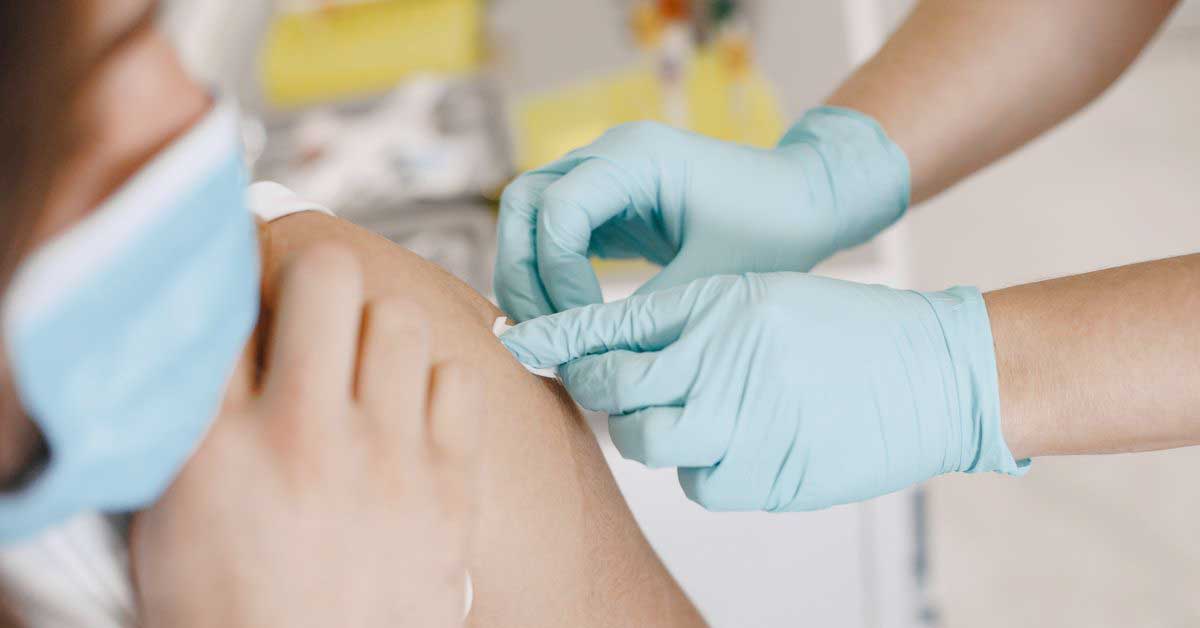
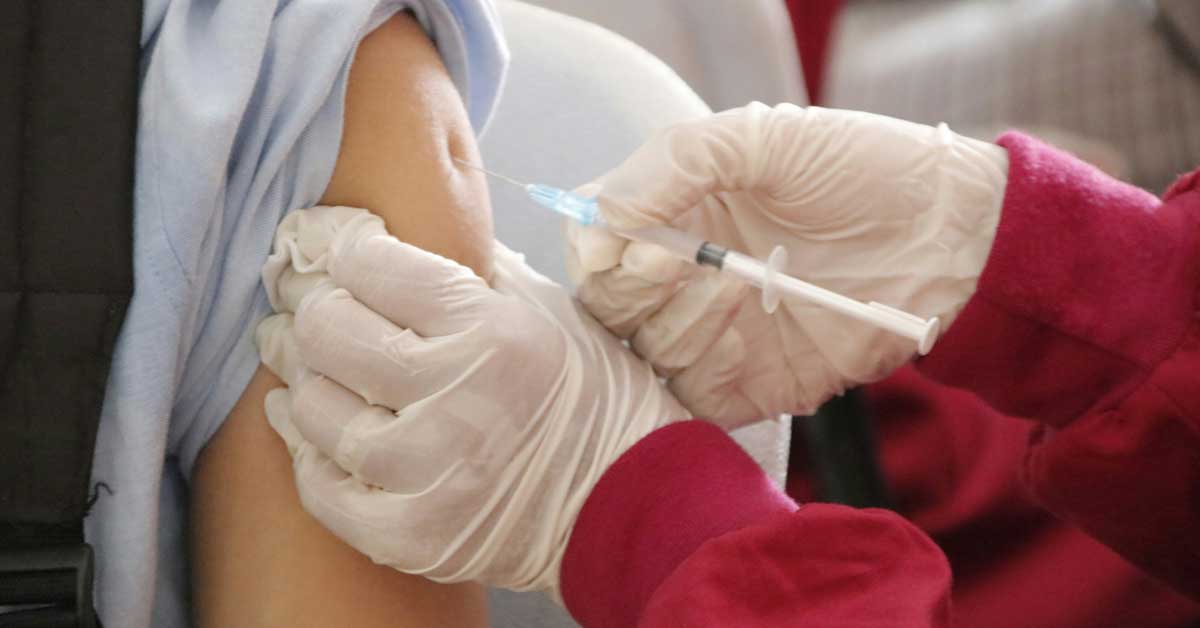
We don’t have a traditional winter in Singapore but we definitely have flu seasons! In fact, influenza spikes twice a year here, typically from May to August and again from December to March.
If you are looking to get your yearly jab to stay protected, you might wonder exactly what types of flu shots are available at local polyclinics and General Practitioner (GP) clinics. Let’s find out!
1) What Is A Flu Vaccine Or Flu Shot?
When you visit a doctor, you might hear the flu shot referred to by a few different names: the influenza vaccine, the flu jab, or simply flu immunization. Don’t worry, they all mean the exact same thing!
The flu vaccine helps protect against influenza (flu), a contagious respiratory illness caused by influenza viruses.
How Flu Vaccines Work
No matter what you call it, the vaccine’s main job is to act like a “training simulation” for your body.
It introduces a harmless, inactive piece of the flu virus to your immune system. Your body looks at it, learns exactly how it’s built, and creates protective proteins called antibodies.
That way, if you ever come into contact with the actual, live flu virus down the road, your immune system recognizes it instantly and can knock it out before it makes you seriously ill.
Source: Ministry Of Health (MOH)
2) The Standard Quadrivalent Vaccines
If you walk into a clinic in Singapore today for a flu shot, you will almost certainly receive a quadrivalent vaccine (such as Fluarix Tetra or Influvac Tetra). This flu vaccine is the most commonly used in Singapore due to its broader coverage against multiple influenza strains.
“Quad” means four, which means this jab is designed to protect you against four different strains of the influenza virus:
- Two Influenza A strains (which usually cause more severe illness such as pneumonia)
- Two Influenza B strains
These are inactivated vaccines, meaning they contain killed viruses. They cannot give you the flu; they simply teach your immune system how to fight it off.
Find out how much getting a flu shot costs in Singapore from our article on it.
3) Northern vs. Southern Hemisphere Formulations
The World Health Organization (WHO) updates the flu vaccine recipe twice a year to match whichever mutations are currently dominant globally.
Because Singapore is a global travel hub sitting right on the equator, the Ministry of Health (MOH) covers both North & South hemispheres. Clinics in Singapore roll out these two versions depending on the time of year:
- Southern Hemisphere (SH) Formulation: Typically arrives around April/May.
- Northern Hemisphere (NH) Formulation: Typically arrives around October/November.
Which one should you get? For general protection at home, simply get whichever current formulation is available at your clinic when you go.
However, if you are planning a vacation to winter destinations like Japan, Europe, or the United States, it is a smart move to specifically request the Northern Hemisphere formulation about two weeks before you fly!
4) Who Needs A Flu Shot?
Singapore’s Ministry Of Health (MOH) recommends a yearly flu jab for everyone aged 6 months and above. However, it is highly encouraged for high-risk groups, including:
- Adults aged 65 and older
- Pregnant women
- Young children
- Individuals with chronic conditions like asthma or diabetes
5) When Should I Get A Flu Shot?
It takes about two weeks for the vaccine to grant you full immunity, so it’s always best to get it before the peak seasons start (May to August and December to March) or before you board a flight.
If you haven’t had your shot yet, you can easily book an appointment or walk into your nearest CHAS GP clinic or polyclinic. Stay safe and healthy!